
Prepare the device before using the app
After download, review device security, screen lock and system state before creating or importing a wallet; recovery material should never be entered into an ordinary webpage. A mobile wallet makes network and asset access convenient, but device security, network selection and confirmation checks still remain separate responsibilities. For “Prepare the device before using the app,” first identify whether the relevant fact belongs to the local wallet interface, the selected network, or a contract permission. That distinction prevents an interface message from being mistaken for a final on-chain result.
In a multi-chain setting, identify the destination network before checking the address, token contract and gas asset. Similar address formats are not evidence that two networks are interchangeable. In the context of “Prepare the device before using the app,” use a consistent order: establish the account and network, inspect the specific address, contract or request parameters, and only then authorize an action that can move assets or create permissions. After an action, keep independently verifiable references such as the transaction hash, network name and destination address. If the interface is slow to update, check network state before submitting the same action again.
After completing an action related to “Prepare the device before using the app,” verify the result rather than relying only on a success message. Check the network, transaction hash, balance change or permission state against the intended outcome. If something differs, stop repeat submissions until the on-chain facts are clear.
- Verify the active account and intended network
- Check the address, asset and amount
- Read gas, signature or approval details
- Use the transaction hash to verify status
How to verify the result
If “Prepare the device before using the app” behaves differently from expected, record the active network, account, requester and any transaction hash, then eliminate possible causes one at a time. Do not keep signing, approving or sending assets merely to repair an issue that has not yet been identified.
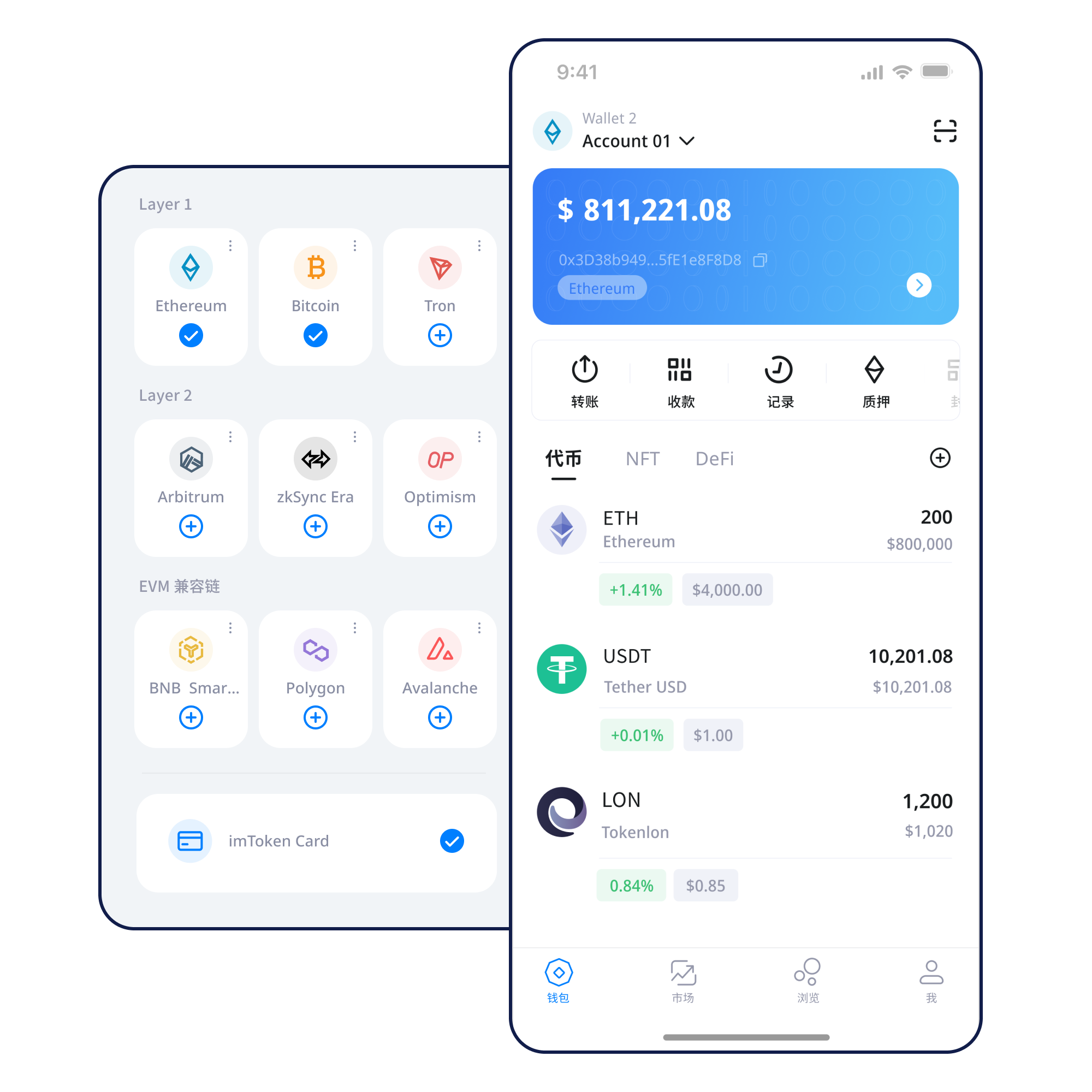
How networks and assets are organized on mobile
A mobile wallet can aggregate several networks, but switching networks changes gas, token-contract and confirmation context, so the active chain must remain explicit. A mobile wallet makes network and asset access convenient, but device security, network selection and confirmation checks still remain separate responsibilities. For “How networks and assets are organized on mobile,” first identify whether the relevant fact belongs to the local wallet interface, the selected network, or a contract permission. That distinction prevents an interface message from being mistaken for a final on-chain result.
After an action, keep independently verifiable references such as the transaction hash, network name and destination address. If the interface is slow to update, check network state before submitting the same action again. In the context of “How networks and assets are organized on mobile,” use a consistent order: establish the account and network, inspect the specific address, contract or request parameters, and only then authorize an action that can move assets or create permissions. It helps to separate interface behavior from on-chain facts. A wallet can organize accounts, prepare transactions and display results, while balances, nonces, confirmations and contract state belong to a specific network.
After completing an action related to “How networks and assets are organized on mobile,” verify the result rather than relying only on a success message. Check the network, transaction hash, balance change or permission state against the intended outcome. If something differs, stop repeat submissions until the on-chain facts are clear.
- Verify the active account and intended network
- Check the address, asset and amount
- Read gas, signature or approval details
- Use the transaction hash to verify status
Common mistakes and a better sequence
If “How networks and assets are organized on mobile” behaves differently from expected, record the active network, account, requester and any transaction hash, then eliminate possible causes one at a time. Do not keep signing, approving or sending assets merely to repair an issue that has not yet been identified.
Mobile transfers and record checks
Verify the address, network, amount and fee before sending, then retain the transaction hash and follow confirmation state in transaction records. A mobile wallet makes network and asset access convenient, but device security, network selection and confirmation checks still remain separate responsibilities. For “Mobile transfers and record checks,” first identify whether the relevant fact belongs to the local wallet interface, the selected network, or a contract permission. That distinction prevents an interface message from being mistaken for a final on-chain result.
In a multi-chain setting, identify the destination network before checking the address, token contract and gas asset. Similar address formats are not evidence that two networks are interchangeable. In the context of “Mobile transfers and record checks,” use a consistent order: establish the account and network, inspect the specific address, contract or request parameters, and only then authorize an action that can move assets or create permissions. In a multi-chain setting, identify the destination network before checking the address, token contract and gas asset. Similar address formats are not evidence that two networks are interchangeable.
After completing an action related to “Mobile transfers and record checks,” verify the result rather than relying only on a success message. Check the network, transaction hash, balance change or permission state against the intended outcome. If something differs, stop repeat submissions until the on-chain facts are clear.
- Verify the active account and intended network
- Check the address, asset and amount
- Read gas, signature or approval details
- Use the transaction hash to verify status
Building the check into routine use
If “Mobile transfers and record checks” behaves differently from expected, record the active network, account, requester and any transaction hash, then eliminate possible causes one at a time. Do not keep signing, approving or sending assets merely to repair an issue that has not yet been identified.
DApps and device security
DApp use on mobile still requires domain, signature and approval checks, while public Wi-Fi, remote control and untrusted apps add device-level risk. A mobile wallet makes network and asset access convenient, but device security, network selection and confirmation checks still remain separate responsibilities. For “DApps and device security,” first identify whether the relevant fact belongs to the local wallet interface, the selected network, or a contract permission. That distinction prevents an interface message from being mistaken for a final on-chain result.
After an action, keep independently verifiable references such as the transaction hash, network name and destination address. If the interface is slow to update, check network state before submitting the same action again. In the context of “DApps and device security,” use a consistent order: establish the account and network, inspect the specific address, contract or request parameters, and only then authorize an action that can move assets or create permissions. In a multi-chain setting, identify the destination network before checking the address, token contract and gas asset. Similar address formats are not evidence that two networks are interchangeable.
After completing an action related to “DApps and device security,” verify the result rather than relying only on a success message. Check the network, transaction hash, balance change or permission state against the intended outcome. If something differs, stop repeat submissions until the on-chain facts are clear.
- Verify the active account and intended network
- Check the address, asset and amount
- Read gas, signature or approval details
- Use the transaction hash to verify status
Building the check into routine use
If “DApps and device security” behaves differently from expected, record the active network, account, requester and any transaction hash, then eliminate possible causes one at a time. Do not keep signing, approving or sending assets merely to repair an issue that has not yet been identified.